Environment and Ecology Module - GS Paper 1
Category: Module
Subcategory: GS Paper 1 : Subjects
Category: Module
Subcategory: GS Paper 1 : Subjects
Environment & Ecology Module for UPSC, designed to tackle the high weightage this subject holds in the Preliminary exam (approx. 15-20 questions) and its critical role in Mains (GS Paper III).
Phase I: The Ecological Foundation (Static Concepts)
Focus: Understanding the 'Rules of Nature'. Questions here are conceptual and definition-based.
Levels of Organization: Individual $rightarrow$ Population $rightarrow$ Community $rightarrow$ Ecosystem $rightarrow$ Biome $rightarrow$ Biosphere.
Ecosystem Functions:
Energy Flow: Food Chains vs. Food Webs; Trophic Levels; 10% Energy Law (Lindeman).1
Ecological Pyramids: Number, Biomass (Upright vs. Inverted), and Energy (Always Upright).
Biomagnification vs. Bioaccumulation: Understanding how toxins concentrate in tissues vs. up the food chain.
Biogeochemical Cycles:
Gaseous: Carbon, Nitrogen (Nitrogen Fixation, Nitrification, Denitrification), Water.2
Sedimentary: Phosphorus, Sulphur.
Ecological Succession: Primary vs. Secondary succession; Pioneer vs. Climax communities.3
Biotic Interactions: Mutualism, Commensalism, Amensalism, Competition, Parasitism.
Getty Images
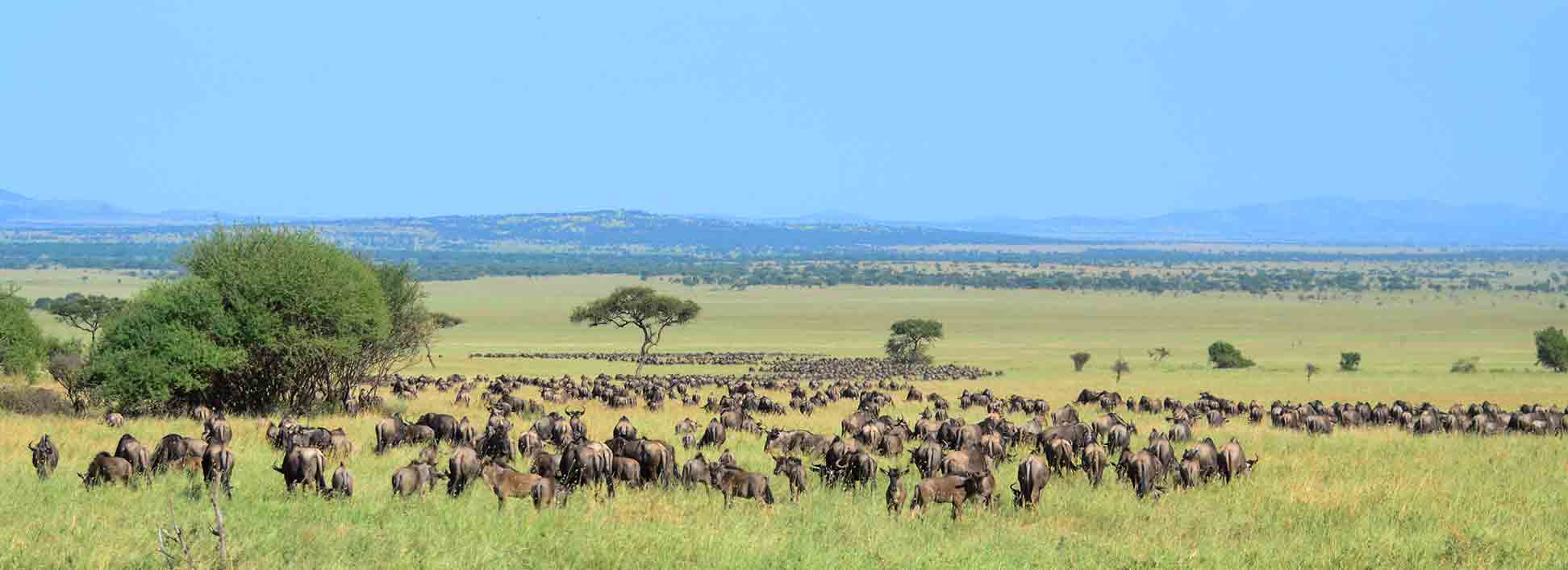
Biomes: Tundra, Taiga, Temperate Deciduous, Tropical Rainforest, Savannah, Desert (Adaptations of flora/fauna).
Aquatic Zones:
Lake Ecology: Eutrophication (Process & BOD/COD concepts); Wetland ecosystem services.5
Ocean Ecology: Coral Reefs (Formation, Bleaching, Zooxanthellae relationship); Mangroves (Carbon sinks); Estuaries.6
Focus: High-yield area for Prelims.7 Memorization of species and locations is key.
Levels: Genetic, Species, Ecosystem diversity.8
Measurement: Alpha, Beta, Gamma diversity.9
Biodiversity Patterns: Latitudinal gradients; Species-Area relationship.
IUCN Classifications: Critically Endangered (CR), Endangered (EN), Vulnerable (VU). Focus on WHY a species is in a specific category.
Key Species to Watch (Indian Context):
CR: Great Indian Bustard, Gharial, Bengal Florican, Pangolin.
EN: Tiger, Asian Elephant, Dhole, Golden Langur.
Marine: Dugong (Sea Cow), Olive Ridley Turtles (Arribada).10
Legal Definitions: Difference between National Parks, Wildlife Sanctuaries, Conservation Reserves, and Community Reserves (under WPA, 1972).
Biosphere Reserves: Core, Buffer, Transition zones; MAB Programme (UNESCO).11
Biodiversity Hotspots: The 4 Indian hotspots (Himalayas, Indo-Burma, Western Ghats, Sundaland).
Focus: Statutory powers and jurisdiction. Very tricky options in Prelims.
Climate Change: UNFCCC (Kyoto Protocol, Paris Agreement); IPCC Reports.12
Biodiversity: CBD (Cartagena & Nagoya Protocols); CITES (Trade in wildlife); CMS (Bonn Convention - Migratory species).
Others: Ramsar Convention (Wetlands); UNCCD (Desertification); Vienna Convention & Montreal Protocol (Ozone); Minamata (Mercury); Stockholm (POPs).13
Wild Life (Protection) Act, 1972:14 Schedules (I & II provide absolute protection); Powers of Chief Wildlife Warden; Vermin concept.
Environment (Protection) Act, 1986: The "Umbrella Act"; Eco-Sensitive Zones (ESZ); Coastal Regulation Zones (CRZ).15
Forest Rights Act, 2006 (FRA): Individual vs. Community forest rights; Critical role of Gram Sabha.
Biodiversity Act, 2002: National Biodiversity Authority (NBA).16
Bodies: NGT (National Green Tribunal), CPCB (Pollution Control Board), CAMPA.17
Focus: Cause-Effect-Mitigation logic.
Greenhouse Gases: GWP (Global Warming Potential); Short-lived Climate Pollutants (Black Carbon, Methane, HFCs).
Impact: Ocean Acidification; Sea-level rise; Glacial Lake Outburst Floods (GLOF).
Mitigation: Carbon Credits, Carbon Tax, Carbon Sequestration, Net Zero targets (India's Panchamrit).18
Air Pollution: PM2.5 vs. PM10; BS-VI Norms; National Clean Air Programme (NCAP); AQI categories.19
Water/Soil: Heavy metal toxicity (Arsenic, Fluoride, Lead); Bioremediation techniques.
Emerging Threats: Microplastics, E-Waste, Space Debris.
Focus: Connecting static knowledge to the map.
Ramsar Sites: Location of recent additions (e.g., lakes in TN, Odisha).
Tiger Reserves: Critical habitats (e.g., Similipal, Nagarjunasagar).
Conflict Zones: Elephant Corridors; Human-Wildlife conflict hotspots.
Duration:
3 Month

This is a comprehensive, structured UPSC Geography Module designed to ...

UPSC Indian Polity Module designed to cover the core concepts necessary for...
UPSC Indian Economy Module primarily focused on General Studies Paper ...